AMD Zen 6 Delayed to 2027? Why You Shouldn’t Wait for the 24-Core “Olympic Ridge”
The desktop processor market is currently navigating a chaotic timeline. For months, the enthusiast community has been anticipating a late-2026 showdown between Intel’s upcoming Nova Lake and AMD’s next-generation Zen 6 architecture. However, recent supply chain disclosures and manufacturing roadmaps have thrown a massive wrench into those plans.
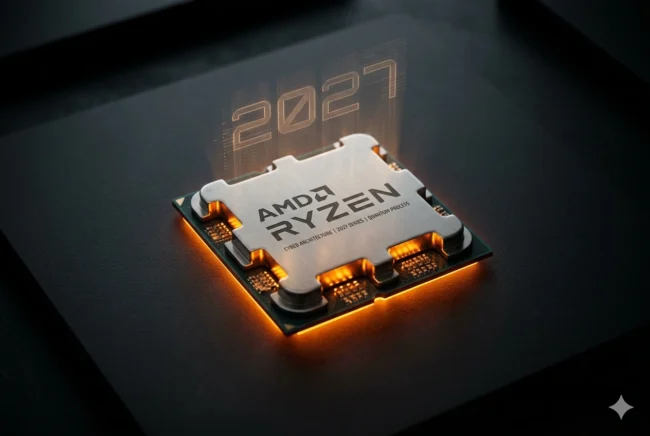
According to reliable industry leaks, the flagship desktop variant of Zen 6—codenamed “Olympic Ridge”—has been quietly pushed back to 2027. This delay shatters AMD’s reliable two-year release cadence. More importantly, it forces anyone planning a new PC build to confront a difficult reality: the hardware you are waiting for might not arrive for another year, and when it does, it might not be the optimized powerhouse you expect.
Here is a comprehensive breakdown of the Zen 6 delay, the truth about the rumored 24-core flagship, and why waiting for “Olympic Ridge” is a strategic mistake for your next PC build.
The TSMC Bottleneck: Why “Olympic Ridge” is Delayed
The root cause of the Zen 6 delay has nothing to do with AMD’s architectural design and everything to do with manufacturing physics.
The N2X Slippage: AMD designed Zen 6 to utilize TSMC’s bleeding-edge 2nm process, specifically the high-performance N2X node, to achieve rumored 7.0GHz clock speeds. However, TSMC has reportedly pushed the maturation of the N2X node into 2027.
The AI Prioritization: As we’ve seen across the entire semiconductor industry this year, AI enterprise silicon is monopolizing fabrication plants. TSMC simply does not have the capacity to yield massive amounts of 2nm consumer desktop silicon while simultaneously fulfilling hyper-scaler orders for AI datacenters.
The “Medusa” Re-Shuffle: Leaked roadmaps indicate AMD may still release some Zen 6 APUs (codenamed “Medusa”) for mobile platforms in late 2026 using older nodes. However, the high-wattage, multi-chip “Olympic Ridge” desktop processors are firmly stuck behind the 2027 TSMC roadblock.
The 24-Core Illusion: Density Over Efficiency
The most exciting rumor surrounding Olympic Ridge is the shift to a 12-core CCD (Core Complex Die), allowing for a 24-core flagship CPU without increasing the physical footprint. While this sounds incredible on paper, it introduces severe compromises for builders who value blazing fast, lightweight execution.
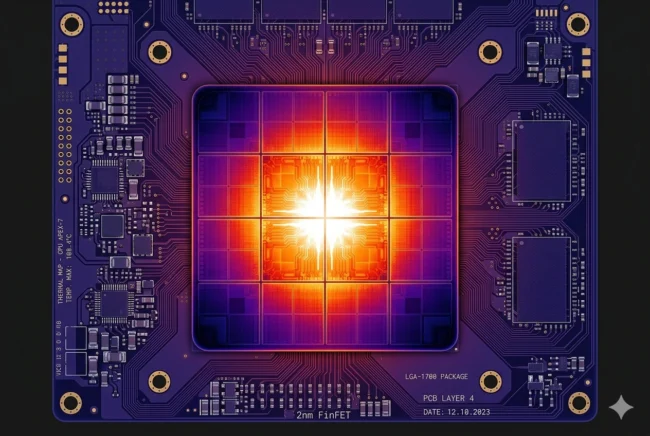
The Heat Density Problem: Packing 12 cores into a single, tiny 2nm die creates an intense thermal hotspot. Extracting heat from such a dense surface area will require extreme, high-noise liquid cooling setups, completely ruining the “quiet and efficient” aesthetic that made Zen 4 and Zen 5 so appealing.
Diminishing Returns for Gamers: Modern game engines struggle to effectively saturate 8 physical cores, let alone 24. For a pure gaming or standard productivity workload, paying a massive premium for 16 cores that will sit entirely idle is an incredibly inefficient use of your budget.
The Cache Trade-off: While Olympic Ridge is rumored to feature 48MB of base L3 cache per CCD, early 2027 models likely won’t feature 3D V-Cache at launch. You would be trading the massive, unified L3 cache of a current Ryzen 9800X3D for raw core counts that your applications may never use.
The AM5 Platform: The End of the Line
Waiting for Olympic Ridge means you are buying into the very end of a motherboard platform’s lifecycle, which is historically a poor investment strategy.
The Final AM5 Generation: AMD has committed to supporting the AM5 socket “through 2027 and beyond.” Since Olympic Ridge is launching in 2027, it will almost certainly be the absolute final architecture supported on your current motherboard.
The DDR6 Horizon: By late 2027 and early 2028, the industry will begin the transition to DDR6 memory and the PCIe 6.0 standard. Buying a flagship Zen 6 processor means locking yourself into DDR5 right before the entire memory paradigm shifts.
VRM Limitations: Even though Zen 6 will physically fit into current AM5 boards, the power delivery (VRM) requirements for a 2nm, 24-core CPU boosting to nearly 7GHz will likely overwhelm older B650 or even early X670 motherboards, forcing you to buy a new motherboard anyway.
The Threat of Intel Nova Lake
The delay of Zen 6 creates a massive vacuum in late 2026—a vacuum that Intel is heavily favored to exploit.
Intel’s 2026 Window: Intel’s Nova Lake architecture, featuring its own massive core counts and the highly anticipated “bLLC” cache, is currently on track for a late 2026 launch.
The IPC Advantage: Preliminary leaks suggest Intel’s “Coyote Cove” Performance Cores may offer a superior IPC (Instructions Per Clock) uplift compared to early Zen 6 engineering samples, potentially stealing the single-threaded performance crown while AMD is stuck waiting for TSMC.
If You Must Upgrade Now: If your rendering pipelines or compiling workflows absolutely demand an upgrade in late 2026, Intel’s LGA 1954 platform will be the only “new” flagship architecture available on the market.
The Financial Reality of the Wait
Beyond the silicon, the economics of building a PC are actively hostile to those who wait for delayed hardware.
DRAM Pricing Surges: Global memory prices are currently highly volatile due to the HBM3e AI shortage. Waiting until 2027 to buy DDR5 RAM means you risk buying at the absolute peak of the inflation curve.
The X3D Premium: When Zen 6 finally does launch in 2027, the initial lineup will consist of standard “X” chips. The gaming-focused “X3D” variants of Olympic Ridge won’t arrive until late 2027 or early 2028. Are you willing to wait almost two years for the chip you actually want?
The Verdict: Optimize What You Have
The pursuit of “next-gen” hardware often blinds us to the incredible performance-per-watt available today. Olympic Ridge, with its delayed 24 cores and extreme thermal density, represents brute force rather than elegant, lightweight design.
If you are running a Ryzen 5000 series chip or older, do not suffer through another year of bottlenecked performance. The current Zen 5 architecture—specifically the Ryzen 9000X3D series—is mature, highly efficient, and available right now. It delivers the organic, stutter-free performance required for high-end rendering and 120Hz gaming without forcing you to become a beta tester for TSMC’s delayed 2nm node.
Secure a high-quality AM5 motherboard, invest in the fastest, lowest-latency DDR5 you can find, and build your system today. The 2027 Zen 6 launch is a waiting game you do not need to play.