Don’t Sell Your GPU Yet: The Ugly Truth About NVIDIA’s 2026 Release Schedule
The secondary market is currently witnessing a panicked flood of RTX 40-series and early 50-series cards. Sellers are scrambling to “cash out” before the next perceived wave of Blackwell or the rumored Rubin architectural shifts. But if you’re hovering over the “List Item” button on eBay or your local marketplace, stop.
The 2026 release schedule isn’t the performance windfall the marketing hype suggests. In fact, for the average gamer and tech enthusiast, 2026 is shaping up to be one of the most frustrating “wait-and-see” periods in GPU history. Between artificial supply constraints and a fundamental shift in how NVIDIA prioritizes its silicon, selling your current card now could leave you in a hardware purgatory for the better part of a year.
Here is the ugly truth about NVIDIA’s 2026 roadmap and why your current GPU is more valuable than you think.
The “Paper Launch” and Phased Availability
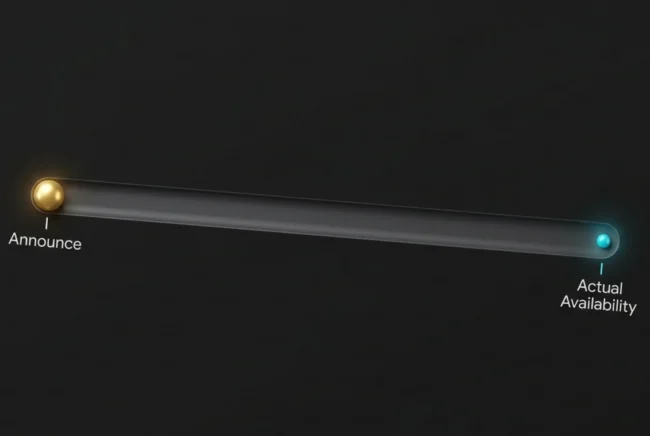
NVIDIA has mastered the art of the “Paper Launch”—announcing a product to dominate the news cycle while having almost zero shelf availability for months
The 90-Day Dead Zone: History shows that after a major Blackwell or mid-cycle refresh announcement, retail units don’t reach stable inventory levels for at least 90 to 120 days.
The “Flagship First” Trap: NVIDIA always launches the most expensive silicon first (the 5090 or the Titan/Pro class). If you sell your mid-range 4070 or 5070 today, you will be waiting until Q3 or Q4 of 2026 before the “affordable” replacements actually hit the shelves.
Scalper Resurgence: With AI demand still monopolizing the global logistics chain, the “Professional Scalper” is more active than ever. Even if a card launches, the odds of you grabbing one at MSRP in the first six months are statistically low.
Integrated Graphics Hell: If you sell your only GPU now, you are committing to months of “multicore” productivity on integrated graphics. For a content creator or developer, that’s a productivity suicide mission.
The GDDR7 Stability Gap
2026 marks the first full year of the GDDR7 transition. While the bandwidth numbers are impressive, early adopters are essentially beta testers for a new memory standard.
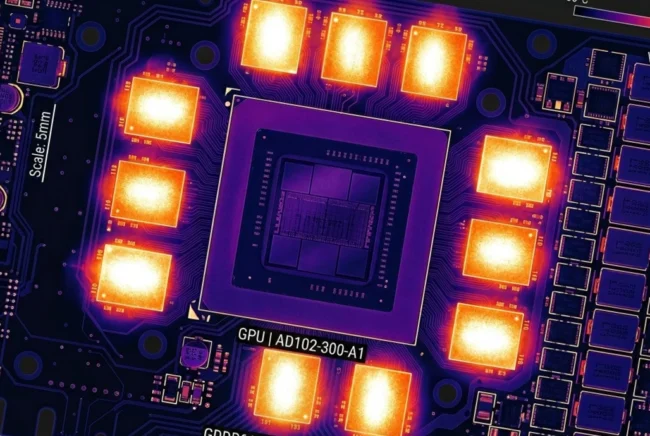
Thermal Instability: Early GDDR7 modules are running hotter than the GDDR6X they replaced. First-generation cooling shrouds from AIB partners (Asus, MSI, Gigabyte) often take six months to “get it right” with revised v2 or v3 thermal pad layouts.
Frequency Diminishing Returns: Leaks suggest that the first batch of 2026 cards won’t even utilize the full 32Gbps potential of GDDR7, meaning the “leap” you’re selling your current card for is being artificially throttled for the sake of yield stability.
Voltage Sensitivity: GDDR7 is significantly more sensitive to voltage fluctuations. If you haven’t already upgraded to an expensive, high-end ATX 3.1 power supply, a new 2026 card might actually be less stable than the “old” card you have right now.
The “AI Hijacking” of Driver Development
In 2026, NVIDIA’s driver team is a “Datacenter First” organization. Gaming drivers are no longer the primary focus of the initial launch window.
DLSS 4.5/5.0 Jitter: New frame generation and ray reconstruction features are increasingly reliant on complex NPU handshakes. History shows these features are often “broken” or cause significant visual artifacts for the first three to six months post-launch.
Emulation Regressions: For those utilizing their GPUs for heavy emulation (Switch, PS3, or even PC-on-Android translation layers), new architectural drivers frequently break compatibility. Your current card has “mature” drivers that work; a 2026 card will be a troubleshooting nightmare for months.
The “Pro” Feature Lock: We are seeing more evidence that NVIDIA is moving “Premium” software features behind the “Pro” or “Titan” paywall. Selling a 40-series card for a 50-series “Standard” card might actually lose you features if NVIDIA decides to segment the software stack even further.
The Secondary Market Paradox
The logic used to be: “Sell high before the new stuff comes out.” In 2026, that logic is broken because the “New Stuff” is so expensive it’s actually driving up the price of older, reliable hardware.
The Price Floor: Because the Snapdragon 8 Gen 6 and the Intel Nova Lake chips are making 2027 flagships “unaffordable,” users are flocking back to the used market for high-value 40-series cards.
VRAM Scarcity: A used RTX 4090 with 24GB of VRAM is currently holding more value than a brand-new 5080 with 16GB. If you have high VRAM now, selling it for a “faster” chip with less memory is a massive strategic error for AI and video editing workloads.
The “Last of the Efficient” Cards: The 2026 cards are pushing power envelopes to the 500W–600W range. There is a growing segment of builders who want the “cool and quiet” 40-series cards, keeping their resale value high even after the new launch.
Summary Table: Why Waiting Wins
Factor
Selling Now (The Risk)
Keeping Your GPU (The Reality)
Availability
4-6 months of waiting for stock.
100% uptime for your projects.
Stability
Day 1 driver crashes and thermal issues.
Mature rock-solid driver support.
Software
Buggy early-access AI features.
Stable DLSS 3.5 / Ray Reconstruction.
Value
Buying at “Scalper” or “Early Adopter” tax.
Avoiding the 2026 “Inflation” peak.
Strategic Advice for 2026
Instead of selling your GPU to fund a risky 2026 upgrade, focus on “Building Around” your current hardware to maximize its lifespan through the 2027 transition.
Optimize Your Thermal Environment: Instead of $1,200 on a new GPU, spend $150 on a premium high-airflow case or better thermal paste/pads for your current card.
Monitor the VRAM: If your current card has 12GB or more, you are safe. If you have 8GB, that is the only reason to consider a move, but even then, wait for the actual benchmarks, not the “leaked” marketing slides.
Watch the Foundry Shift: As we discussed in the Intel-Apple Foundry breakdown, the manufacturing landscape is changing. By 2027, we might see more competitive pricing as Intel Foundry starts producing for NVIDIA’s rivals.
The Verdict
2026 is a year of transition, not a year of triumph. Hold your hardware, let the early adopters deal with the heat and the bugs, and wait for the Rubin architecture or the stabilized Blackwell yields in 2027. Your current GPU is a tool; don’t trade it for a promise that might not be delivered until next Christmas.
Tech ReviewerFounder & Publisher: Sole operator and lead technical architect of MultiCore Performance
Areas of Expertise:
Silicon & Hardware Benchmarking: Firsthand performance testing and analysis of flagship processors specifically evaluating thermal and rendering capabilities in gaming and video editing workloads.,