
Intel Nova Lake Leaks: Why the 52-Core CPU Will Change PC Building in 2026
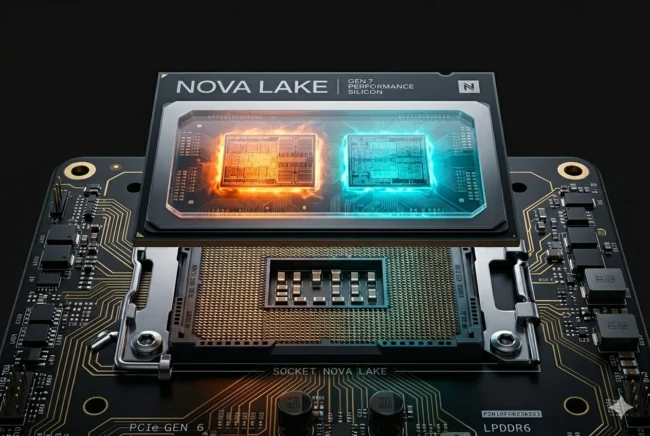
For the past few generations, the CPU market has been locked in a relatively predictable cadence of efficiency improvements and moderate clock speed bumps. But if the latest supply chain leaks and insider reports regarding Intel’s upcoming 2026 desktop architecture are accurate, that predictability is about to be shattered.
Codenamed Nova Lake (reportedly launching as the Core Ultra 400 Series), Intel is preparing a brute-force architectural overhaul designed specifically to seize the gaming and multi-threaded performance crown back from AMD’s X3D lineup.
At the center of this strategy is a monstrous, flagship SKU that completely redefines the boundaries of consumer silicon. Let’s dive into the leaked specifications, the massive architectural changes, and why you might need to rethink your entire PC build strategy for late 2026.
The 52-Core Behemoth: Unpacking the “P3DX” Flagship
The most staggering detail emerging from recent leaks is the existence of a flagship processor codenamed “P3DX.” Instead of the traditional monolithic die or the conservative tile design seen in Arrow Lake, Intel is reportedly moving to a Dual-Compute Tile layout for its top-tier desktop chips.
By utilizing two separate compute tiles on the same package, Intel is doubling down on core counts to a degree never before seen in mainstream desktop platforms.
Core Configuration Breakdown

“bLLC” Cache: The X3D Killer
For years, AMD has dominated the gaming benchmark charts by utilizing 3D V-Cache—stacking massive amounts of SRAM directly on the CPU die to drastically reduce memory latency in gaming workloads.
With Nova Lake, Intel is finally striking back with its own massive cache implementation, internally referred to as bLLC (Big Last Level Cache).
How bLLC Changes the Game
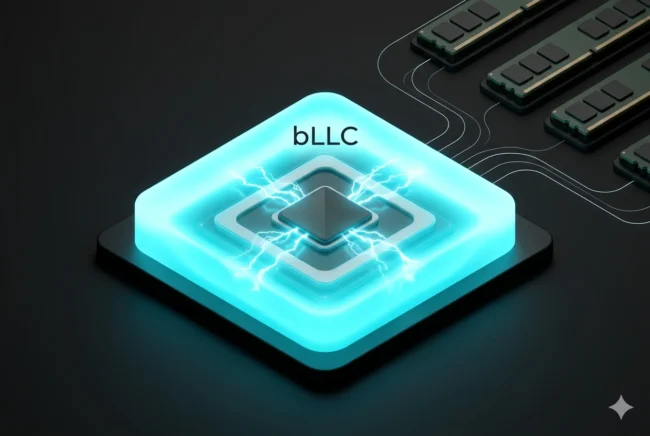
The 700W Power Limit: The End of Traditional Cooling?
You cannot push a 52-core, dual-tile CPU with nearly 300MB of cache to record-breaking clock speeds without generating an immense amount of heat. According to leaked preliminary power limit (PL) documents, the thermal requirements for Nova Lake are terrifyingly high.
Thermal and Power Realities
The New LGA 1954 Platform: Motherboards and Chipsets
Intel is abandoning the short-lived LGA 1851 socket. Nova Lake will require an entirely new motherboard platform built around the LGA 1954 socket, which is physically larger (45 x 37.5mm) to accommodate the dual-tile design and increased power delivery pins.
Alongside the new socket comes the 900-Series Chipset, specifically engineered for ultra-high bandwidth and expansion.
Z990 and W980 Chipset Features
The Hidden Gem: The 16-Core iGPU Monster
While the 52-core flagship grabs the headlines, another leaked SKU is equally fascinating. Intel is reportedly developing a single-tile, 16-core Nova Lake processor (4P + 8E + 4LPE) with a massive focus on integrated graphics.
The Verdict: Should You Wait for 2026?
The transition to Nova Lake is not just an upgrade; it is a fundamental platform reset. Intel is abandoning conservative efficiency in favor of raw, overwhelming computational power.
If you are a casual gamer or rely on light productivity, current-generation hardware will serve you perfectly well. However, if you are an enthusiast who demands the absolute bleeding edge of multi-threaded rendering, real-time AI processing (powered by the new 74 TOPS NPU6), and uncompromised cache-heavy gaming performance, do not build a flagship PC right now.
Save your money, invest in a high-wattage ATX 3.1 power supply, and prepare for the LGA 1954 era. The desktop performance war is about to get brutal.